



UI design is based on an understanding of human motivation so that people have an easy and successful experience using a site. However, there is a side of UI called Dark UI Patterns that takes the idea of designing around human psychology and thought and turns it on its head. Dark patterns are used to trick users into completing a task or doing something they most likely would not intentionally want to do.
How Dark UI Patterns Work
Dark UI Patterns also take into account human psychology, but they do not use it in a user’s best interest. You may have noticed dark UI patterns as pesky little interferences in your everyday Web activities but not realized they were a part of a devious UI strategy.
Language Manipulation
One of the most common ways sites utilize Dark UI Patterns is with language. By including language that might be difficult for users to understand or words that sound like one thing but actually mean another, businesses may be able to get users to do something that they didn’t understand.
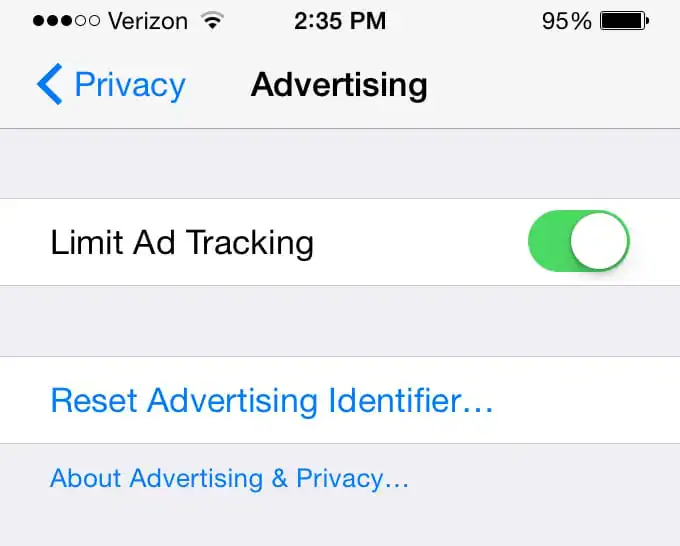
An example of this type of Dark UI Pattern is in Apple’s iOS, which includes Identifier for Advertisers ad tracking (IDFA). IDFA allows advertisers to track users’ browsing in order to show them targeted ads. While Apple does give users the option to turn IDFA tracking off, the menu selection is buried in the “General†category. The tracking control is called “Limit Ad Tracking†and must be “on,†not “off†to stop the tracking. This menu selection presents a sort of double negative to users, who often think they need to select “off†to turn tracking off.
Consent Manipulation
Another common type of dark UI pattern uses questions and answers. Many websites allow users to opt in for a mailing list or membership, and many of these sites include an automatically checked radio button next to the option that opts the user in. This automatic checking of the radio button is one example of a dark pattern, but many companies go beyond this and include the question and answer selections in a place that is hard for a user to see, such as at the bottom of a webpage, in a font or color that is very hard to read, or in the middle of a long line of other questions or selections. This UI design is an intentional choice by business to disguise the option from users in hopes they will miss it, and thus “voluntarily†sign up for a mailing list or service.
Further Reading
There are many types of UI dark patterns, and while they are a popular business scheme, they also tend to make customers angry and annoyed, which can ultimately backfire for a business. If you want to learn more about dark patterns in order to better understand how they work — or to make sure you avoid falling into any UI traps — there are some great resources online. Check out some of the best below.
Resources:
- Darkpatterns.org/
- Dark Patterns: Deception vs. Honesty in UI Design
- The Slippery Slope
- http://www.uxwarlock.com/2013/07/23/dark-ui-patterns/
Download these worksheets and start practicing with simple instructions and tracing exercises.
Download now!







Making beautiful design simple & accessible to all.
View More Posts



5 Comments