



Clear communication is the key to success in design projects, and all kinds of creative projects for that matter. We tend to think that just because something is crystal clear in our minds, it’s immediately available for others to see and understand. In reality, unless we paint that picture in a detailed, organized way, others simply can’t deliver what we expect them to. And that is precisely why I have a feeling that, after reading this article, graphic design briefs will become your new best friends.
What is a design brief?
Essentially, a graphic design brief is a short document that captures the vision for a creative project and outlines the client’s expectations for the end result. By “creative project,” I’m referring to virtually any visual work, whether it’s web design, brand messaging, print materials, packaging, or an advertising campaign.
A design brief has two primary goals.
No. 1 – clarifying your role as a designer and the parameters you’re bound by. In this sense, the design brief acts like a roadmap or blueprint, shaping your design process and the entire workflow from start to finish.
No. 2 – ensuring that multiple stakeholders – from the project manager to the client’s company – are on the same page regarding the project scope, project deliverables, project budget, and project timeline.
Design brief vs. creative brief
If you’re new to the industry, you might hear “design brief” and “creative brief” used interchangeably. However, there are some key differences between the two.
Design briefs mostly focus on the business and management side of a design project, sort of like pre-production planning. They outline the specific visual and functional requirements vital for the upcoming design project, covering all the details you could possibly need to execute a successful project.
So, then, what is a creative brief in graphic design?
Creative briefs, on the other hand, are more about the overarching vision and creative direction of the project. Instead of focusing on all the technical details, a creative brief delves into the innovative execution and the emotional impact the project should have. It focuses on conveying the brand’s mission, thus offering a blueprint for the creative concept behind the project.
So, design briefs give practical instructions on how to complete a successful design project, while creative briefs outline what the project aims to achieve and why it matters. In this sense, the design brief serves as a foundation for the creative brief and, in turn, the entire project.
How to create effective briefs: General advice
Great creative teamwork depends on your ability to express expectations and background information in a way that allows producers to do their job. Here are some of the keys to more effective graphic design briefs that align everyone around your vision.
-
Brevity. Brief is the key word here: express your ideas succinctly so that someone with limited time can grasp your vision. Because that “someone with limited time”? That’s everyone these days.
-
Precision. In yet another obvious rule we don’t usually apply, technical specifications related to your deliverables should be specific. Hyper-specific. Are you expecting .jpg or .ai files? At what sizes will the final composition need to be exported? Are there any considerations around resolution or file size limits?
-
Organization. Don’t just throw dozens of scattered ideas and expect someone to make sense of them. Walk them through what you’re envisioning, and organize the brief in a logical sequence.
-
Illustration. Examples are king. Pointing your reader to similar projects and end results can set the tone for a much more productive workflow. In looking at the examples you provide, creative professionals can abstract trends, aesthetic preferences, and general moods that may be hard to describe with words only.
-
Context. Don’t assume producers have enough background about your brand or industry to proceed confidently. Give them that background. Lack of proper competitive context or knowledge about the business model hurt anyone’s chances at creating work that truly resonates with the brand’s audience. Likewise, don’t assume that an external producer is aware of any brand guidelines or visual treatments you’ve used in the past. If your goal is to have them follow some kind of pattern, be specific about what that pattern has looked like in the past.
-
Openness. As precise as your specifications for deliverables should be, when it comes down to the creative concept itself you should try to strike a balance between prescriptive and flexible instructions. You want to be mindful of your producer’s expertise, but also provide enough direction that they feel confident using their skills.
How to create a design brief: A step-by-step guide
Let’s start with an important question – who should create design briefs? In almost every design agency, this task typically falls to the project or account manager or a senior designer who has a deep understanding of the project’s requirements and goals. Naturally, these requirements come directly from the client, who often fills in the high-level project details and practical information necessary to write a design brief.
But no matter what your role is in the creative process, learning how to craft a well-written design brief is a valuable skill that sets a strong foundation for a desired outcome.
Step 1 – Identify the project owner or lead
As mentioned, different people from the client’s company or your creative team might be in charge of the specific project at hand. Your first step? Finding out exactly who is spearheading the project. After all, you need them for all the core details.
Step 2 – Gather project information
There can’t be a project brief without comprehensive information. So, collect all relevant details from the project owner or lead, including business objectives, the client’s target audience, project deliverables, and any specific requirements. This information forms the backbone of the design brief.
Step 3 – Compose the design brief
Drafting the design brief is nothing but laying out all the information you’ve gathered in a clear and organized manner. Not sure what to include in the brief? Don’t worry! The next section will cover all the essential elements of a well-crafted brief.
Step 4 – Review and revise the brief
Once the brief is complete, you can go over it with both the client and different design teams to ensure accuracy and alignment. Use the feedback to make any necessary changes.
Step 5 – Distribute the brief
Are all key stakeholders on the same page regarding the design brief example? Perfect! Then, it’s time to finalize the brief, distribute it to the design team, and get down to work.
Essential sections in a design brief
Taking the above into account, here are key elements to include in your graphic design brief:
Company contact information
In this section, include key contact details for the client and other key stakeholders. Name, phone number, and email address should suffice. The goal of this section is to ensure everyone involved in the project can easily communicate and overcome any unexpected obstacles that might arise. This section is especially important when working on an entirely new project with a new client, as well as complex projects.
Company and brand background
Provide a summary of the company’s history, mission, and values, along with any relevant brand information, such as the brand statement. This will help the design team understand the company’s identity and how to align the design with the overall brand voice.
Project name
This section will help organize and reference the project throughout its lifecycle.
Project overview
Outline a broad overview of the project, including the project’s goals and purpose. This section sets the stage for more detailed design elements that are yet to come.
Project goals
This is where you can dive into the specific project goals, such as increasing brand awareness or generating leads. Articulate these goals clearly, and there should be no misunderstandings regarding the design concepts.
Target audience
While you’ll typically find a more elaborate “Target Audience” section in a good creative brief example, including it in your design brief will ensure the final design resonates with the people it’s meant to reach.
Style guidelines to consider (if any)
Are there any existing brand guidelines or style preferences to follow? If so, include them here.
List of project deliverables
Specify what final outputs are expected from the project (e.g., logos, websites, or print materials). This helps manage expectations and ensure that all required items are produced.
Technical specifications for project deliverables
Dimensions. File formats. Resolution. These are just some of the technical requirements that should be included in this section to ensure the final output(s) meet the necessary standards.
Examples and references
Just like design brief examples can help you create one, providing examples and references in your design brief helps guide the design team.
Budget and timeline
This section outlines the budget constraints and deadlines for the project, helping manage expectations and ensure timely delivery.
The framework I’m proposing above goes from the general to the specific, all the way from a bird’s eye view of the brand to a zoomed-in schedule with key dates to consider. That’s precisely the intention: to guide the brief’s reader through a narrative that conveys context, project expectations, and deliverable specifics – in that order.
Examples of a ready-to-use design brief template for your next design project
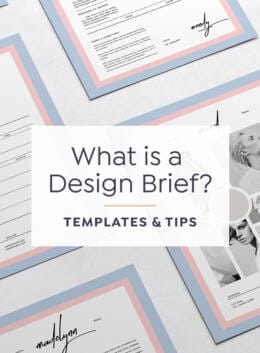
Starting with a blank page makes creating a brief particularly challenging. Fortunately, independent designers on Creative Market have built flexible templates that you can adapt to your own needs and brand identity.
Any other suggestions for a graphic design brief?
What has worked for you in the past? Any tricks or tools that have made brief creation easier? Share them in the comments below.
Products Seen In This Post:
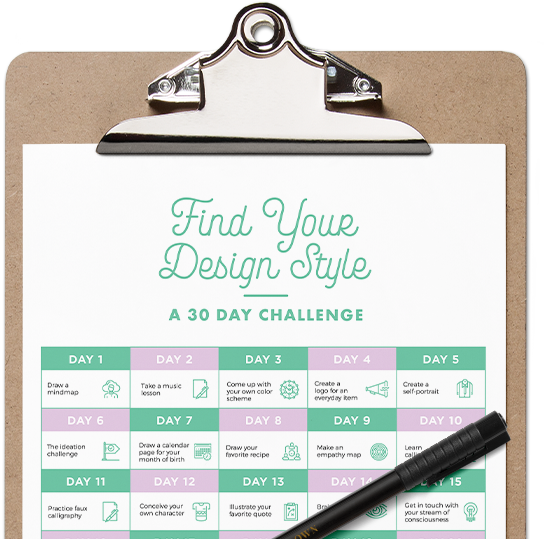
Having a hard time finding your unique design style? This creativity challenge will get you on the right track.
Download it here




4 Comments