Conference room office people By Flashvector




Microsoft Powerpoint can be a very helpful tool for many things such as creating slideshows, conducting presentations, and sharing information with others. Powerpoint allows users to add various features by using special effects, animations, transition effects, fills in shapes, and much more. Because of its versatility, it has become the go-to professional presentation tool. To add to that, there are a lot of fonts and templates that you can use when in a Powerpoint presentation.
A good Powerpoint presentation is clear, consistent, and compelling, and whether you’ll be conducting a sales pitch, briefing, demo, or report, your choice and use of fonts will greatly affect the quality of your presentation.
Here are some of the best Powerpoint presentation fonts that you can use to blow away your audience, as you kick-off 2022:
How to Choose the Best Font for a Presentation
When choosing the best font for Powerpoint presentations, you have to prioritize readability and legibility to preserve the quality of your content and ensure that your message will be easily understood by your audience. Here are some tips:
1. Choose a Simple Font
Complicated fonts such as script and decorative fonts can make your design look cluttered and make it hard for your audience to read what’s on your slides. Simple fonts like serif or sans serif fonts are ideal because they are easy to read and they blend well with any kind of design.
2. Go for Sans Serif Fonts over Serif Fonts
If you have to make a choice between a serif or classic sans serif font, pick the latter. A sans serif typeface has better readability on-screen. Letterforms with serifs or additional strokes at the end of a character can sometimes look blurred on-screen, which can confuse or distract your audience and make it difficult for them to read.
3. Choose a Font That Looks Great at Both Big and Small Presentation Font Sizes
The best practice for a Powerpoint presentation is to use presentation font sizes no lower than 24 points. To maximize readability, it is important to choose a font that is not too thin nor too thick. Choose a font that will retain its clarity and quality whether it is scaled up to 120 points or down to 24 points.
4. Choose a Different Font for Your Titles and Headings
Your body font should be different from your title, heading, and subheading fonts to put proper emphasis on them and create variety and visual interest in your presentation, but remember not to use more than 4 fonts for a cohesive and visually organized design. They should also be in bold and have a bigger font size.
5. Choose Fonts That Complement Each Other
Create balance in your design and promote seamless transitions between sections of your content by choosing the perfect font pairings. Combining serif fonts are usually the best way to go. These fonts can definitely stand on their own, but they work better when they are put together.
6. Consider the Content and Tone of Your Presentation
When picking presentation fonts or trying to choose between a serif font or sans serif font for your Powerpoint, it’s important to think about content and tone. Fonts all have their own associations and “personalities.” Times New Roman is classic, for example, while a simple sans serif font like Gill Sans is more sleek and modern. Try to match the feel of the font with the nature of your Powerpoint.
Best Fonts to Use for Powerpoint
Find the best font to use for your Powerpoint presentation from Creative Market’s top presentation font picks:
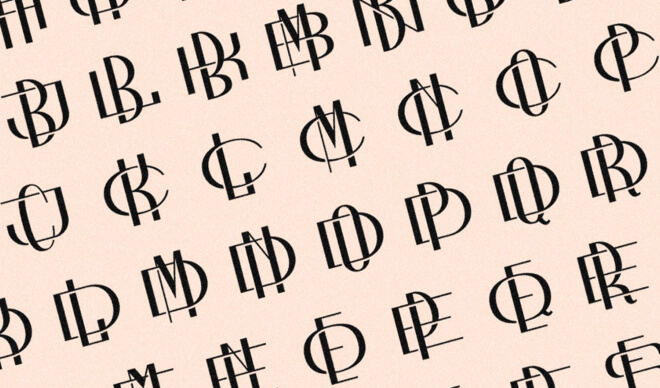
1. Juliette
Juliette brings a little elegance to your presentation without making every slide feel overly formal. Its refined serif shapes work particularly well for titles, section headers, and opening slides, while its multilingual character set makes it a practical choice for broader audiences. Try pairing it with a clean sans serif for body copy when you want a PowerPoint deck to feel polished, editorial, and distinctly modern.
2. McKenzie Headline
If your presentation needs a little more personality, McKenzie Headline brings a nostalgic late-80s and early-90s feel to the screen. Its distinctive serif lettering is made for headlines rather than long paragraphs, so use it to give title slides, chapter breaks, or key statements a memorable visual voice. It’s a fun option for creative pitches, fashion decks, cultural presentations, and brand stories.
3. Classical Typeface
Sometimes the best presentation font is one that simply gets out of the way. Classical Typeface has the familiar elegance of a traditional serif, giving slides a polished, established feel without becoming too formal. It can work especially well for business presentations, editorial-style decks, proposals, and presentations where credibility matters. Use it for headings or pair it with a clean sans serif for an easy-to-read hierarchy.
4. Regard Condensed
Need to make a headline fit without shrinking it into oblivion? Regard Condensed is built for that job. Its tall proportions, tight curves, and condensed structure give presentation titles plenty of impact while leaving more room for your visuals. It’s particularly suited to fashion, music, media, and creative decks where strong typography can become part of the story rather than simply labeling the slide.
5. Analogue
Analogue brings a humanist, retro-inspired character to an otherwise modern presentation. Its serif details give slides some warmth and personality, making it a nice choice when a standard corporate typeface feels a little too cold. Use it for titles, quotes, section dividers, or editorial-style decks, and pair it with a straightforward sans serif when you need plenty of readable body text.
6. Jogets
Jogets is the kind of sans serif you can reach for when you want your presentation to feel clean without becoming boring. Its straightforward letterforms make it a natural fit for slide titles, supporting text, charts, and business presentations where clarity comes first. Keep the hierarchy simple—one weight for headlines, another for body copy—and let the rest of your presentation do the talking.
7. Altone
With 18 styles ranging from Thin to Heavy, Altone gives you plenty of flexibility for building an entire PowerPoint presentation around one typeface. Its geometric sans serif design feels clean, structured, and easy to read, while the range of weights makes it simple to establish hierarchy between titles, subtitles, body copy, and key statistics. It’s a particularly useful choice for professional or corporate presentations.
8. BROOKLYN
Minimalist presentations need typography that knows when to hold back. BROOKLYN does exactly that, with eight styles spanning Normal through Heavy and matching italics. Its geometric sans serif shapes work beautifully for clean title slides, business decks, portfolios, and brand presentations. The broad language support is another practical bonus if your presentation needs to speak to an international audience.
9. TT Chocolates Basic
Despite its playful name, TT Chocolates Basic is a practical sans serif choice for presentation design. Its clean construction gives you the flexibility to use it across headings and supporting copy, making it easier to keep a deck visually consistent. It’s a good option when you want your PowerPoint slides to feel approachable and contemporary rather than overly corporate or formal.
10. All Round Gothic
All Round Gothic has an interesting balance: geometric enough to feel structured, but with softened forms that keep it friendly. Inspired by classic geometric sans serifs such as Futura and Avant Garde Gothic, it comes in nine weights with matching obliques. That range makes it useful for everything from presentation titles and charts to body text, logos, and more.
11. Thorn & Thistle Sans
For a presentation that needs to feel a little less corporate, Thorn & Thistle Sans brings a hand-drawn touch to the table. The family includes Regular, Rustic, and Shadowed versions, giving you different ways to add personality to headlines, quotes, and section breaks. It’s particularly suited to creative pitches, lifestyle presentations, editorial decks, and brands that want their slides to feel human rather than overly polished.
12. Advercase
Advercase is a particularly fun choice if your presentation needs a little retro character. Inspired by vintage advertising and old personal computers, its elegant serif forms reference 80s and 90s design while still feeling contemporary. Use it for title slides, campaign concepts, creative pitches, or presentations where a little nostalgia can help tell the story. The updated family now includes regular, bold, italic, and bold italic styles.
What Makes the Best Fonts for Powerpoint so Effective?
There are so many different fonts out there, and not all fonts are the same. The best presentation fonts have a certain air about them. They elevate Powerpoint presentations, making the content more engaging and the text more easily readable, too. That’s why many of them tend to stand out for their legibility, pleasant aesthetics, and unique ability to both stand out without drawing attention away from other parts of the presentation, like images and graphs.
Basically, using a quality Powerpoint font can help you fulfill the purpose of your presentation. Hope to see you give these Powerpoint fonts a try before the year ends!
For access to other exclusive stuff from Creative Market, sign up here.
The best PowerPoint font is one that remains easy to read on a screen while fitting the tone of your presentation. Clean sans serifs are a reliable choice for body text, while distinctive serif and display fonts can work well for titles and section headings.
For professional presentations, look for fonts with clear letterforms, multiple weights, and good readability at different sizes. Geometric and humanist sans serifs such as Altone, BROOKLYN, and Jogets can create a polished hierarchy without making business slides feel overly formal.
Readable sans serif fonts are generally a strong choice for presentation body text because their simple letterforms remain clear from a distance. Choose a font with open shapes, comfortable spacing, and enough weight to remain legible when projected or viewed on a smaller screen.
Creative presentations give you more room to experiment with typography. Serif, retro, handwritten, condensed, and expressive display fonts can all work well for portfolios, campaign concepts, fashion decks, moodboards, and creative pitches—as long as the supporting text remains easy to read.
Presentation titles give you more freedom to use distinctive typography. Bold sans serifs, condensed display fonts, and elegant serif fonts can all work well. Regard Condensed, McKenzie Headline, and Juliette are examples of fonts that can give title slides more visual personality.
Download these worksheets and start practicing with simple instructions and tracing exercises.
Download now!








Making beautiful design simple & accessible to all.
View More Posts